Economical Auto Body Shop Options: Reliable Common Repairs
Cost-effective auto body shop services serve an essential function in vehicle upkeep. They provide essential repairs such as dent removal, paint scratch repair, and bumper restoration. Professional mechanics use cutting-edge methods to deliver superior results. Competitive pricing makes these services accessible without compromising on trustworthiness. Knowing the scope of available services enables car owners to make educated choices regarding their repairs. What specialized repair approaches can boost your vehicle's lifespan and aesthetics?
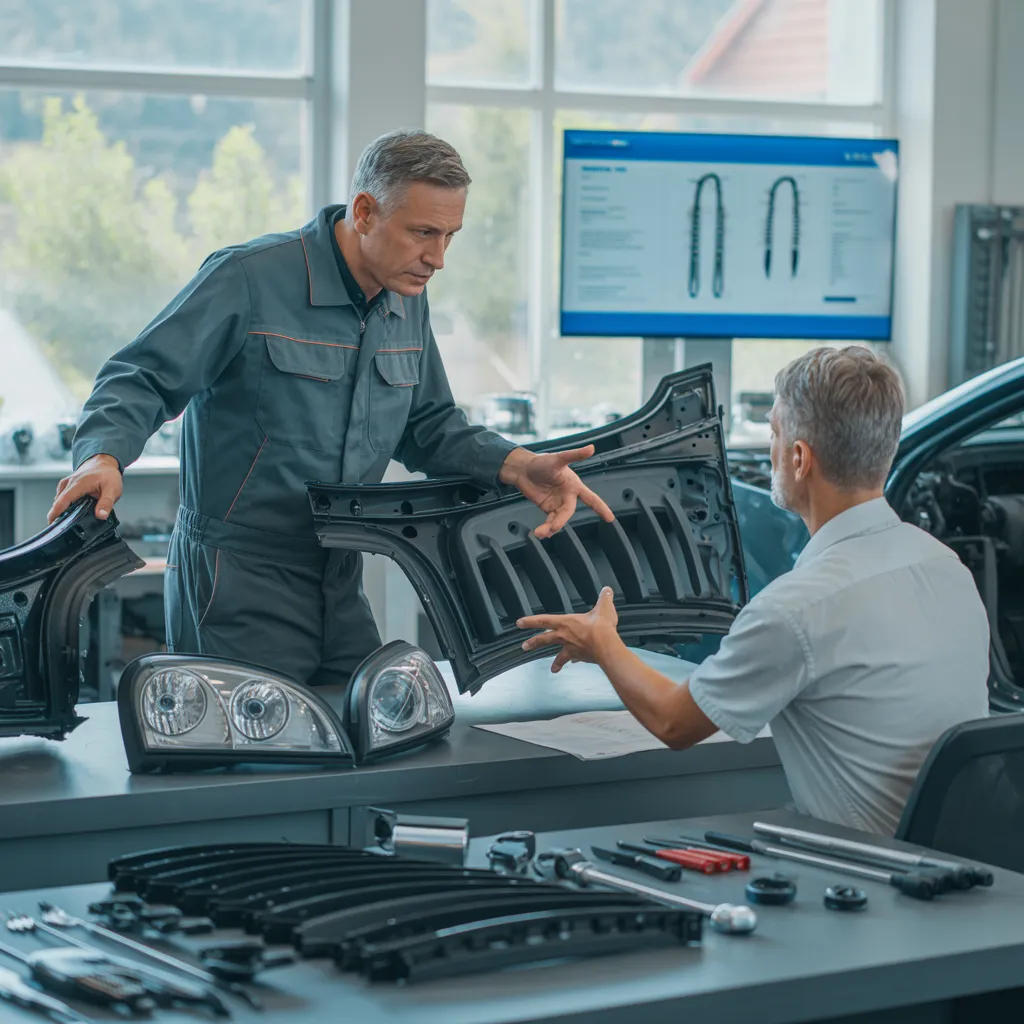
Techniques for Dent Removal
Several dent removal techniques exist to restore a vehicle's appearance after minor damage. One common method is Paintless Dent Repair (PDR), where technicians use specialized tools to gently work the dent from behind the panel, preserving the original paint. Another successful approach involves the use of heat and suction. Technicians apply heat to expand the metal, followed by a suction tool to pop the dent out. For more challenging dents, some might prefer traditional body filler methods, where the dent is filled with a compound and sanded down for a smooth finish. Moreover, hot water can be used in combination with a plunger to create suction, effectively lifting shallow dents. Each strategy has its strengths, depending on the severity and location of the dent, offering that vehicle owners have access to viable solutions for maintaining their car's aesthetic appeal without the need for extensive repairs.
Paint Scratch and Chip Repair
A variety of methods are available for addressing paint scratches and chips on vehicles, enabling vehicle owners to restore their automobile's coating efficiently. Professional auto body shops frequently employ techniques such as touch-up painting, which involves putting on precisely matched coating to the damaged area. This method can perfectly combine with the original finish when executed correctly.
A further option is the use of paint sealers and clear coat applications, which offer an additional layer of protection against future damage. For more severe scratches that penetrate to the primer or metal, sanding and re-painting may be necessary to obtain a flawless appearance.
Various shops also feature DIY options, including scratch repair kits that include essential tools and guidance for basic repairs. These approaches not only elevate the vehicle's aesthetic appeal but also help protect its value by preventing rust and further deterioration. In the end, determining the right approach is based on the damage's severity and the owner's inclination.
Bumper Replacement and Repair
Damage to bumpers can vary substantially, spanning minor scratches to major dents. Knowing when to repair or replace a bumper is vital for vehicle owners, as it can impact both safety and expenses. Elements affecting these choices include the severity of the damage, the vehicle's make and model, and the repair service pricing.
Categories of Bumper Damage
Vehicle bumper damage may present itself in numerous ways, each demanding distinct repair or replacement methods. Common types of bumper damage include scratches, cracks, dents, and entire breaks. Paint-level scratches may only harm the surface coating, while dents can alter the bumper's shape without compromising structural integrity. The seriousness of cracks can range considerably, potentially weakening the bumper and allowing moisture intrusion. Total breaks, conversely, often necessitate full replacement, as they compromise functionality and safety. Additionally, impact damage from collisions can lead to misalignment, affecting the overall appearance and aerodynamics of the vehicle. Accurate identification of the damage type is crucial for deciding on the correct approach in reestablishing the bumper's operation and look.
Repair vs. Replacement
When evaluating bumper concerns, determining whether to repair or replace is crucial for vehicle owners. Repairing a bumper can be a viable solution for minor dents or scratches, providing cost savings while restoring the bumper's appearance. Techniques such as plastic welding and filler application can efficiently address damage without the need for a complete replacement.
Nevertheless, in scenarios of severe damage, such as deep cracks or structural integrity concerns, replacement may be the best option. A new bumper delivers durability and safety, as it adheres to the vehicle's original specifications. At the end of the day, the decision relies on the extent of the damage and the vehicle owner's priorities, weighing the positive aspects of repair against the need of replacement for superior performance and aesthetics.
Cost Components Explained
Assessing the costs connected to bumper repair and replacement is essential for vehicle owners weighing their options. Several factors influence these costs, including the degree of damage, the type of vehicle, and the materials used. Minor repairs, such as scratches or dents, may be fairly inexpensive, often ranging from $100 to $500. However, major damage necessitating a full replacement can increase costs to $1,000 or more, especially for luxury vehicles. Labor rates at auto body shops also serve a substantial role, fluctuating by location and shop reputation. Moreover, insurance coverage can influence out-of-pocket expenses, with some policies covering repair costs while others may only help with replacement. Understanding these factors permits vehicle owners to make well-informed decisions.
Vehicle Frame Alignment Services
Frame alignment services are critical for preserving the structural soundness and safety of a vehicle, as misalignment may result in uneven tire wear and compromised handling. These services involve aligning the body frame and suspension system to confirm it is aligned based on manufacturer specifications. Professional repair facilities leverage sophisticated diagnostic equipment to evaluate misalignment and determine the necessary corrections.
A frame misalignment can occur due to multiple factors, including accidents, potholes, or even regular deterioration. Not addressing alignment issues quickly can bring about more significant and pricier repairs later on. Regular frame alignment relevant article assessments are advised, especially after any considerable crash or accident.
Windshield and Glass Repair
Windshield and glass damage can vary greatly, extending from tiny chips to large cracks. Auto repair shops frequently encounter the decision of whether to repair or replace broken glass, a choice that affects both cost and safety. Choosing the right service for windshield and glass repair is crucial for maintaining vehicle structural integrity and guaranteeing driver visibility.
Forms of Glass Damage
In terms of glass damage, there are multiple common types that vehicle owners may face, particularly related to windshields and other auto glass. Chips are small indentations produced by debris, often resulting in cracks if left unaddressed. Cracks can vary from short, superficial lines to significant fractures that compromise visibility. Scratches stem from abrasive materials that can damage the glass surface but may not require immediate repair. Bullseye and star breaks are distinct patterns resulting from impacts, marked by a circular shape or multiple cracks radiating outward. Each type of damage can differ in severity and may affect the repair process. Understanding these categories helps vehicle owners to make informed decisions regarding the necessary services to ensure their safety on the road.
Repairing vs. Replacing
How does one determine whether to repair or replace damaged auto glass? This choice typically depends on the extent and location of the damage. Chips and small cracks, usually less than six inches, are often repairable, preserving the integrity of the windshield. On the other hand, larger cracks or damage located in the driver's line of sight often require a total replacement for safety reasons. Furthermore, the state and age of the glass can impact the decision; windshields that are older or have been repaired before may be more prone to further damage. Insurance coverage also plays a part, as some policies may prefer replacement over repair. Ultimately, a comprehensive assessment by a qualified technician can help vehicle owners in making the best decision for their needs.
Picking the Appropriate Service
Choosing the right company for windshield and glass repair can significantly influence both safety and cost. Vehicle owners should focus on finding a reputable auto body shop with certified technicians experienced in glass repair. Researching customer reviews and ratings can offer insight into the quality of service provided. It's essential to ask about warranties on repairs and the materials used, as high-quality adhesives and glass support the lifespan of the repair. Furthermore, evaluating estimates from various shops can help establish fair pricing without compromising quality. Understanding regional regulations regarding windshield repairs may also guide the decision-making process. By deciding wisely, vehicle owners can secure their safety and maintain the integrity of their vehicles.
Rust Repair and Prevention
Essential rust repair and prevention services help maintain both the appearance and longevity of vehicles. Corrosion from moisture and road salt exposure over time can compromise the structural integrity of a car. Auto body shops offer extensive rust repair services, including sanding down affected areas, applying rust inhibitors, and repainting to restore the vehicle's finish.
Preventive measures are equally important; routine checks and upkeep can detect initial rust indicators. Vehicle repair experts commonly advise shielding finishes and sealing compounds to guard vulnerable areas from moisture. In addition, suitable cleaning procedures, particularly throughout winter periods, can help clear away salt and grime that contribute to rust formation.
Committing to rust repair and prevention not only enhances the vehicle's aesthetic appeal but also increases its lifespan, making it a prudent choice for car owners who emphasize long-term vehicle health.
Common Questions
How to Find a Reliable Auto Body Shop in My Area?
To find a trustworthy auto body shop close by, one should ask for recommendations from family or friends, check online reviews, confirm certifications, and compare estimates to ensure quality service and fair pricing.
What Steps Should I Take Following an Accident?
After an accident, you should ensure safety, examine for injuries, contact emergency services if necessary, record the scene, exchange contact information with other parties involved, and notify insurance companies to initiate the claims process.
Will These Repair Services Be Covered by My Insurance?
Insurance coverage for repair services usually depends on the policy details. Generally, comprehensive and collision coverage will handle most damages, but policyholders should check their specific policy for restrictions and deductibles before proceeding with repairs.
What Is the Duration of Standard Repairs?
Common auto body repairs can take a timeframe of a few hours to several days, contingent upon the damage level, parts availability, and the shop's workload, delivering quality workmanship while meeting customer expectations.
Do Warranties Cover Auto Body Repairs?
Warranties covering auto body repairs are commonly available, generally including labor and components for a specified period. Clients should ask about warranty choices at the auto body shop to secure complete protection for their repairs.